


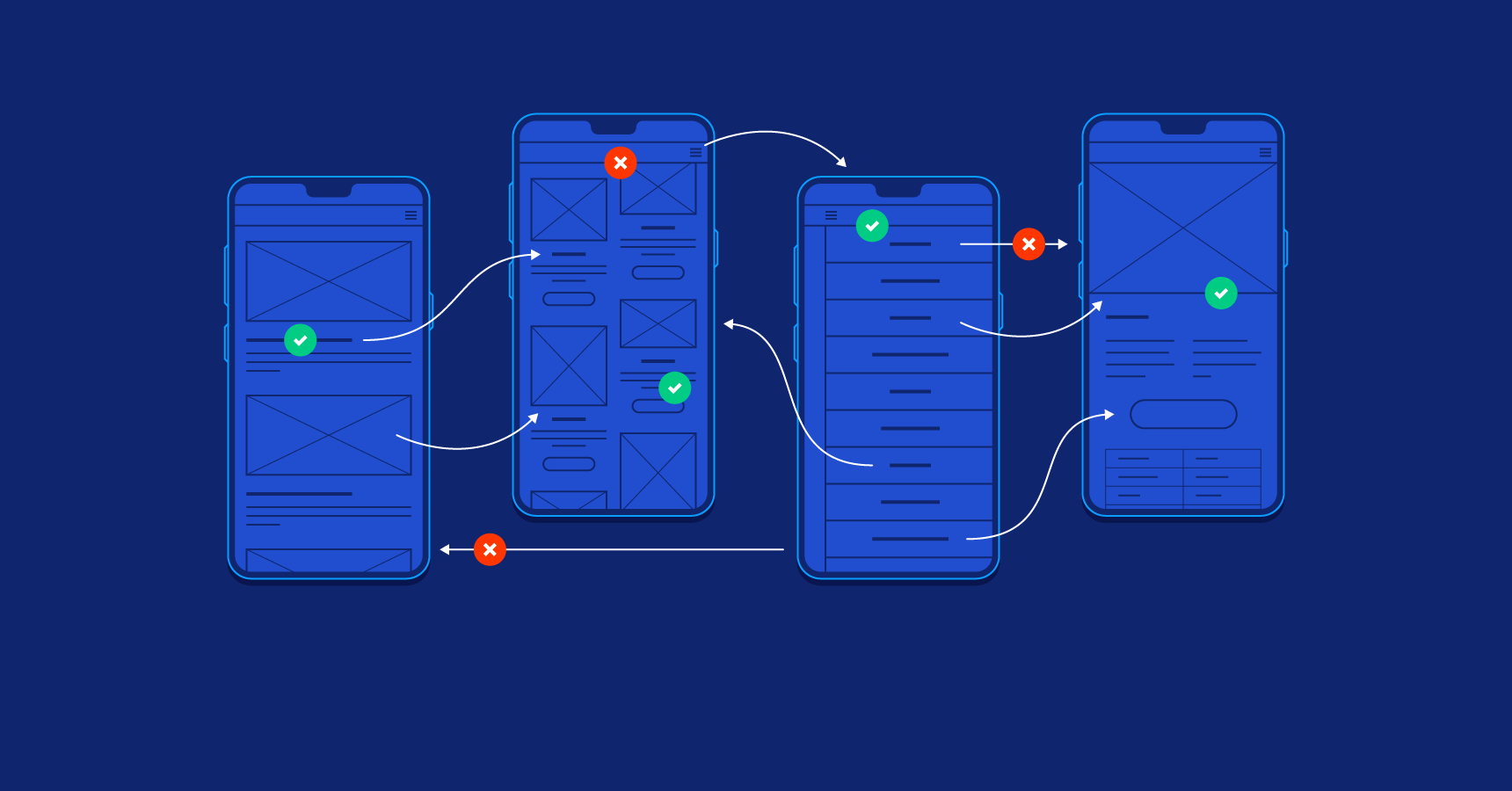
In our contemporary, technologically-driven world, the ease of accessing the internet has transformed, with mobile devices taking the lead as the primary means of browsing.
This paradigm shift underscores the significance of website design companies shifting their focus towards creating mobile versions of websites, surpassing the traditional emphasis on desktop versions. While desktop websites can still be accessed via mobile devices, the user experience frequently suffers, highlighting the necessity for dedicated mobile designs.
In the realm of website design, it has become imperative to accord special attention to the creation of mobile versions. This objective can be achieved through the adoption of a distinct mobile design or the implementation of responsive design principles, which facilitate automatic layout adjustments based on screen size.
Key Considerations for Nurturing a Mobile-Friendly Website:
1. Swift Loading Speeds: The Essence of Efficiency
Mobile websites must prioritize rapid loading speeds, ideally clocking in at three seconds or less, regardless of the device. The swiftness with which a website loads profoundly influences user experience, playing a pivotal role in visitor engagement and retention. A snappy, lag-free experience is non-negotiable for fostering a positive connection with users.
2. Flexibility in Imagery: Amplifying Visual Appeal
Given the constrained screen real estate of mobile devices, providing users with the capability to zoom or expand images is crucial for optimal visual comprehension. The ability to scrutinize product images in detail is pivotal for informed decision-making, making flexible and interactive imagery a cornerstone of mobile-friendly design.
3. Legibility of Text: Reading Ease in the Palm of Your Hand
Reading text on a phone’s compact screen can be a daunting task if not thoughtfully executed. To ensure readability, employing larger and easily discernible fonts is imperative. Dark text set against a light background significantly enhances legibility, making content consumption an effortless endeavor.
4. Seamless Contact Information Access: Bridge the Gap Instantly
Access to contact information is often a top priority for website visitors. When it comes to mobile sites, the visibility and accessibility of contact details take on even greater significance. It’s crucial to present easily clickable contact information, be it an email address or a live chat option. Strive to eliminate the need for users to embark on a scavenger hunt for contact details, saving them precious time and fostering seamless communication.
5. Harmonizing with Social Media: Sharing Made Effortless
In the era of social connectivity, integrating social media functionality is paramount for both desktop and mobile versions of websites. The inclusion of streamlined and conspicuous social media buttons facilitates easy content sharing. Embrace a clean design aesthetic that ensures these buttons are readily discoverable, encouraging visitors to effortlessly engage with your content.
Embracing the Mobile Imperative: A Seamless User Experience
By taking these pivotal factors into account, web design companies can fashion mobile-friendly websites that epitomize a superior user experience. Whether you opt for a dedicated mobile design or embrace the flexibility of responsive design, the overarching principle is to place mobile optimization at the forefront.
In the landscape dominated by mobile browsing, prioritizing user-centric design translates into enhanced engagement, prolonged visit durations, and ultimately, greater success in the digital realm.
The essence of a mobile-friendly website lies not just in its aesthetic appeal, but in its ability to establish meaningful connections and provide seamless interactions on the palm-sized screens that dominate our modern lives.

