


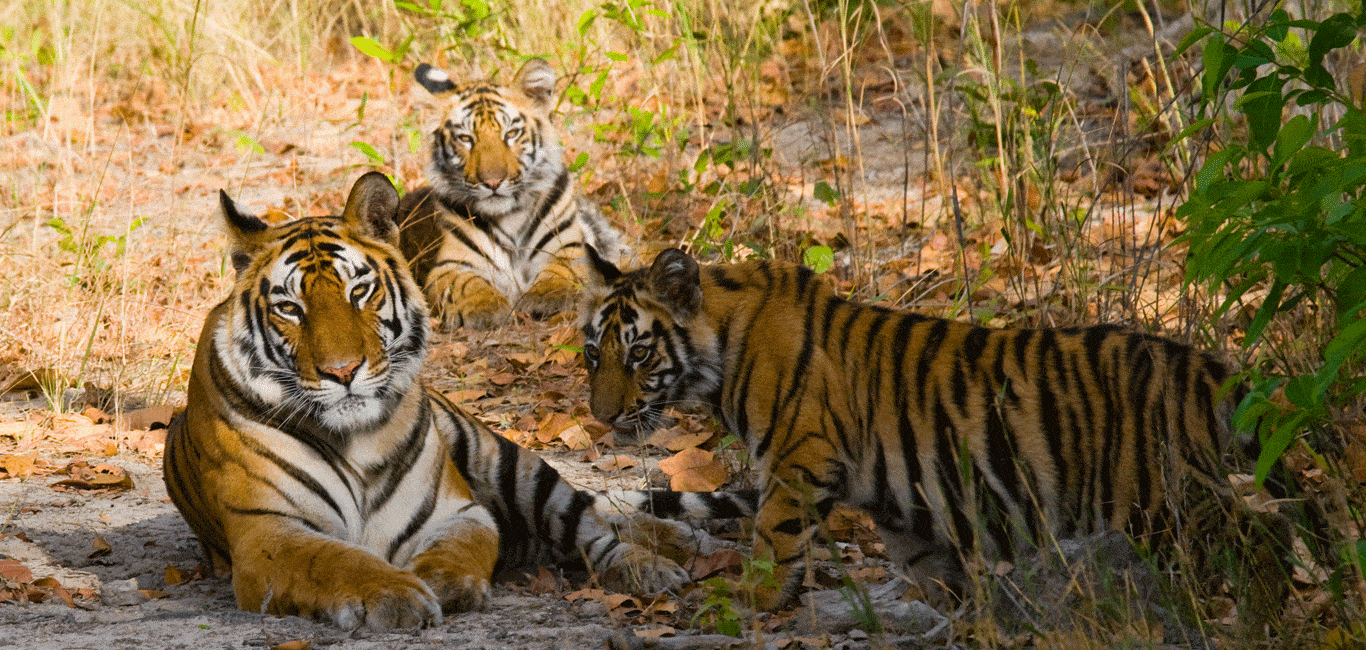
Preserving the delicate balance of our planet’s ecosystems and safeguarding its diverse wildlife is a paramount responsibility for humanity. Amid the encroachments of urbanization and the threats of habitat loss and poaching, national parks and wildlife sanctuaries stand as bastions of hope for the survival of many endangered species.
These protected areas not only offer a safe haven for wildlife but also serve as vital hubs for eco-tourism, education, and research. In the verdant landscapes of South India, a treasure trove of biodiversity beckons. Let’s delve into the wonders of these southern sanctuaries and explore their significance in the broader context of conservation and sustainable tourism.
Periyar Wildlife Sanctuary: A Jewel of Kerala
Nestled in the heart of Thekkady, Kerala, the Periyar Wildlife Sanctuary emerges as an epitome of nature’s splendor. Spread across an area of 925 square kilometers, this sanctuary is a sanctuary in more ways than one. March, with its impending summer, draws animals to the lush banks of Periyar Lake, offering a unique opportunity for wildlife enthusiasts to witness spectacular interactions in this picturesque setting. The emblematic Royal Bengal tiger, a charismatic apex predator, graces the spotlight during this time, captivating the hearts of visitors.
But the sanctuary is not only about tigers. It’s a bustling ecosystem that shelters an impressive array of animals, including elephants, leopards, bison, sambar deer, and the endangered lion-tailed macaques. Birdsong reverberates through the foliage, as vibrant avian species call this sanctuary home. The boat cruises on Periyar Lake, surrounded by dense greenery and serenaded by the melodies of nature, offer a mesmerizing glimpse into the lives of these creatures.
Wayanad Wildlife Sanctuary: A Tapestry of Diversity
In the heart of northern Kerala lies the Wayanad Wildlife Sanctuary, a symphony of nature’s wonders. Stretching across the scenic expanse of Wayanad, this sanctuary embraces a staggering diversity of flora and fauna. It is here that the elusive tiger roams, and the month of March, with its promise of summer, presents a higher likelihood of sightings near water sources.
Beyond the majestic tigers, Wayanad offers a tapestry of life. Leopards, elephants, wild boars, and various deer species create a dynamic ecosystem. The sanctuary’s biodiversity extends to its avian inhabitants, with over 240 species of birds flitting through the canopy. Exploring the terrain on foot or embarking on jeep safaris unveils a world of enchantment, where every rustle in the undergrowth holds the promise of a thrilling encounter.
Peppara Wildlife Sanctuary: A Hidden Gem
Tucked away in the embrace of the Western Ghats, the Peppara Wildlife Sanctuary is a hidden gem awaiting discovery. Covering 53 square kilometers of pristine landscapes, this sanctuary beckons those who seek solace in the lap of nature. As March ushers in the cusp of summer, the sanctuary comes alive with activity, with animals converging near water bodies.
The Peppara reservoir, encircled by lush forests and cradled by rolling hills, forms the centerpiece of this sanctuary. This sanctuary is not merely a haven for tigers; it’s a realm where langurs, sloth bears, wild boars, and various reptiles thrive. For the avian enthusiasts, the sanctuary’s skies host a captivating display of winged wonders. The opportunity to explore the sanctuary on foot or engage in nature photography provides an immersive experience into the world of South India’s diverse wildlife.
Bandipur and Nagarhole National Parks: A Tale of Resilience
Venturing across the border to Karnataka, two national parks beckon with their stories of resilience and conservation success. Bandipur National Park, once a hunting ground for the Maharaja of Mysore, has transformed into a sanctuary for tigers and myriad other species. With over 75 tigers roaming its verdant landscapes, March emerges as a promising time for tiger sightings.
Nagarhole National Park, named after the “snake stream,” presents a different facet of Karnataka’s natural splendor. Amidst its dense forests, grassy meadows, and serene water bodies, the elusive tiger roams. Safari options, be it by jeep or elephant, offer a chance to unravel the mysteries of this diverse ecosystem. March heralds an opportunity to witness the vibrant life that thrives in these protected realms.
Conclusion: Conserving Beauty, Enriching Souls
The wildlife sanctuaries of South India, with their charismatic tigers as icons, stand as living testaments to the power of conservation efforts. In a world where urbanization threatens to eclipse the natural world, these protected areas serve as sanctuaries of hope, where wildlife can flourish and the delicate balance of ecosystems can be maintained. Beyond their ecological significance, these sanctuaries open their arms to travelers, inviting them to experience the untamed beauty of nature, fostering a deep sense of wonder and appreciation.
As March dawns and the sun’s rays warm the land, the animals of these sanctuaries gather around water bodies, offering an unforgettable spectacle for those who yearn to witness their majesty. Beyond the thrill of spotting a tiger, these sanctuaries inspire a connection with the wild, a reverence for nature’s intricate tapestry, and a commitment to safeguarding its treasures. For every traveler who steps into these realms, a piece of their heart remains, carrying the message of conservation and a promise to protect the legacy of these incredible creatures for generations to come.

