


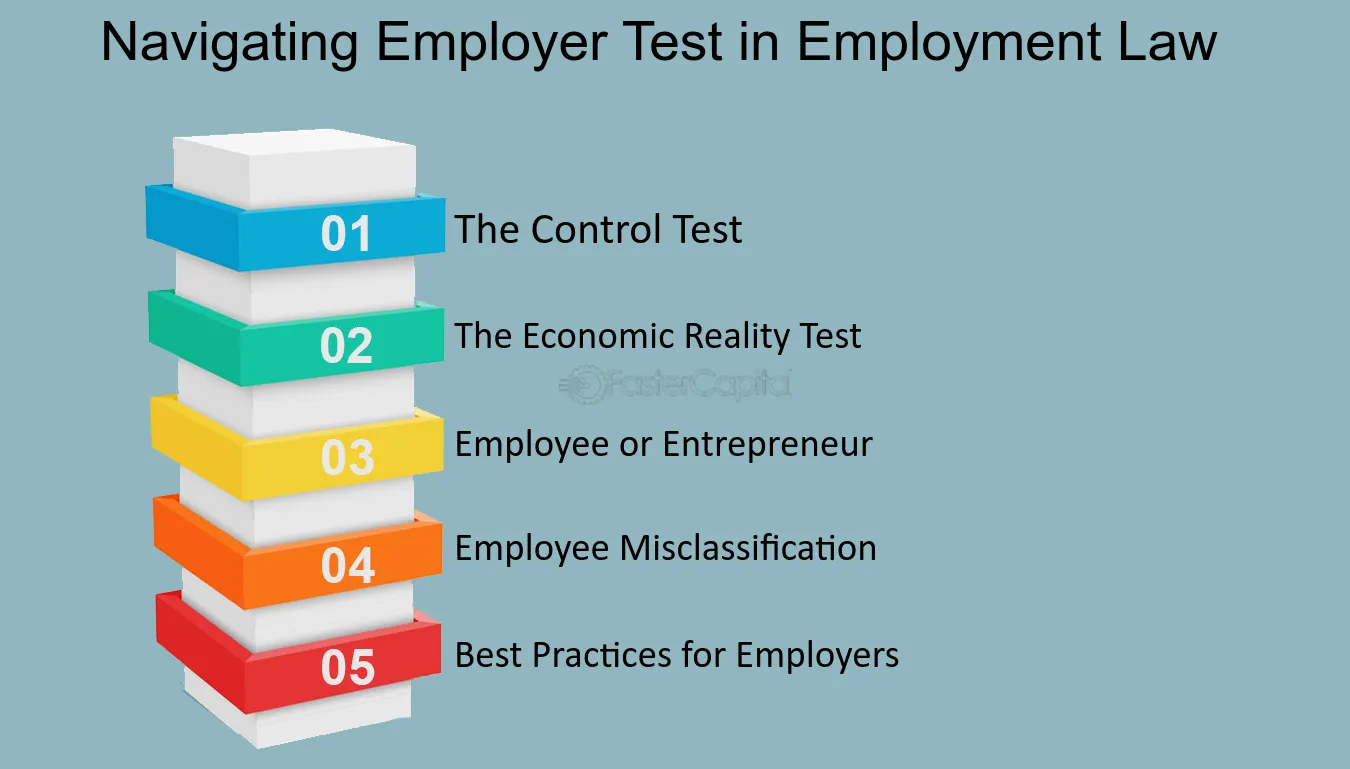
The world of employment law can be a complex and daunting landscape to traverse, regardless of whether you’re an employee or an employer. Understanding the legal rights and responsibilities of both parties is crucial in ensuring a fair and harmonious work environment. In this blog post, we’ll delve into the key aspects of employment law in Thailand, exploring what employees and employers need to know to navigate this intricate legal framework effectively.
Employee Rights and Protections
Thailand has established a comprehensive set of laws to protect the rights of employees in the workplace. The Labor Protection Act is the primary legislation governing the relationship between employers and employees, covering essential aspects such as working hours, wages, leave entitlements, and termination procedures. It is essential for employees to familiarize themselves with these laws to safeguard their rights and well-being within the workplace.
One of the fundamental rights of employees in Thailand pertains to the minimum wage. The Ministry of Labor regularly sets the minimum wage for different provinces, providing a baseline standard for compensation. Additionally, the law mandates that employees are entitled to annual leave, sick leave, and public holidays, ensuring that they have the necessary time off to rest and attend to personal matters.
Moreover, protection against unfair dismissal is a crucial aspect of employment law. The law delineates specific grounds for justifiable termination, ensuring that employees are not unjustly relieved of their duties. Understanding the conditions under which termination is lawful is essential for both employees and employers to avoid legal disputes and uphold fair employment practices.
Employer Obligations and Responsibilities
Employers in Thailand are bound by various legal obligations aimed at safeguarding the rights and well-being of their employees. One of the key responsibilities of employers is to adhere to the stipulated working hours and provide appropriate compensation for overtime work. This ensures that employees are fairly remunerated for any additional hours worked beyond the standard schedule.
Furthermore, ensuring a safe and healthy work environment is imperative for employers. The law mandates that employers take measures to minimize risks to their employees’ health and safety in the workplace. This includes providing necessary training, implementing safety protocols, and maintaining a conducive environment that prioritizes employee well-being.
Additionally, employers are required to provide statutory benefits such as social security coverage and contributions to the provident fund for their employees. Compliance with these legal requirements not only fosters a harmonious relationship between employers and employees but also demonstrates a commitment to ethical business practices.
Resolving Disputes and Legal Recourse
In the event of disputes or conflicts arising between employers and employees, having a clear understanding of the legal avenues for resolution is essential. The Labor Court serves as a specialized judicial body responsible for adjudicating labor disputes, offering a streamlined approach to resolving conflicts related to employment law.
Both employees and employers can seek legal recourse through the Labor Court to address issues such as unfair dismissal, wage disputes, and breaches of employment contracts. Access to legal remedies ensures that parties involved in employment disputes can seek redress in a fair and impartial manner, upholding the principles of justice and equitable treatment.
A Comprehensive Approach to Compliance
In conclusion, navigating employment law in Thailand demands a comprehensive understanding of the rights, obligations, and legal recourses available to both employees and employers. By upholding the principles enshrined in the realm of employment law, individuals and organizations can foster a work environment characterized by fairness, respect, and adherence to legal standards.
As the legal landscape continues to evolve, staying informed and proactive in complying with employment laws is crucial for all stakeholders. Whether you’re an employee seeking to protect your rights or an employer aiming to uphold ethical and lawful business practices, a thorough comprehension of employment law is indispensable for navigating the complexities of the modern workplace.

