


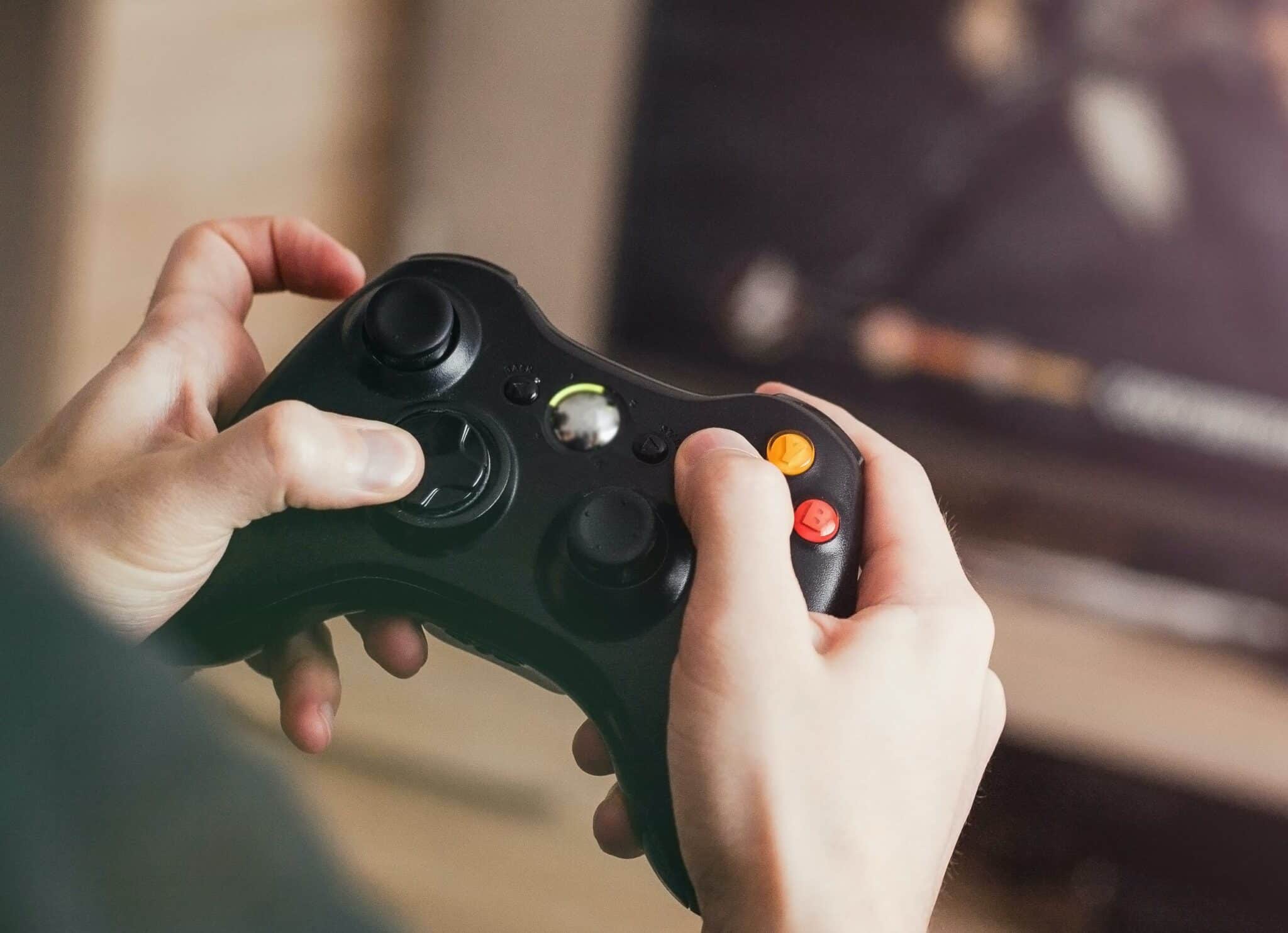
The world of gaming, encompassing electronic games played on consoles, mobile phones, and computers, has witnessed an unprecedented surge in popularity. With a vast market of dedicated hardcore gamers, this industry has experienced remarkable growth since its inception. Gaming offers not only entertainment but also a platform for personal expression and mental stimulation, leading to its widespread appeal.
Expanding Horizons:
Gaming has evolved from a niche interest to a ubiquitous phenomenon, thanks to the widespread availability of smartphones and other smart devices. Anyone seeking a challenging and immersive experience can now access a plethora of games with a simple tap of their fingertips. The era of internet gaming has arrived, and its influence is undeniable in today’s tech-savvy world.
Unlocking Mental Abilities:
Contrary to the notion that gaming is a mere waste of time, numerous studies have highlighted its positive impact on mental capabilities. Gaming has been shown to enhance cognitive skills such as focus, multitasking, and memory. Researchers believe that through tailored game designs, gaming can even target and improve conditions like attention deficit disorder (ADD) and dementia. Gaming is now recognized as a potential avenue for mental exercise and development.
Thematic Games and Skill Enhancement:
Thematic games, which align with gamers’ interests and motivations, hold a prominent place in the gaming landscape. Games that involve building armies, leading kingdoms, or conquering lands tap into the inner drive for power and authority. By engaging in these games, individuals can hone their leadership skills and develop strategic thinking abilities. Parents may consider encouraging their children to participate in mentally stimulating gaming experiences that foster leadership qualities.
From Virtual to Reality:
Gaming experiences that encompass historical or power-driven concepts often feature characters that serve as role models for good and evil. These games subtly cultivate skills such as strategic planning, proactive decision-making, and attention to detail. The art of being a smart player in the virtual world translates into the ability to make goal-driven decisions and scrutinize real-life situations.
Gaming has transcended its reputation as a mere pastime and emerged as a significant force in entertainment and personal development. With its accessibility, thematic variety, and cognitive benefits, gaming has garnered a massive following and gained recognition as a legitimate form of leisure. As the gaming industry continues to innovate, it holds the potential to shape not only our virtual experiences but also our real-world skills and abilities.

